

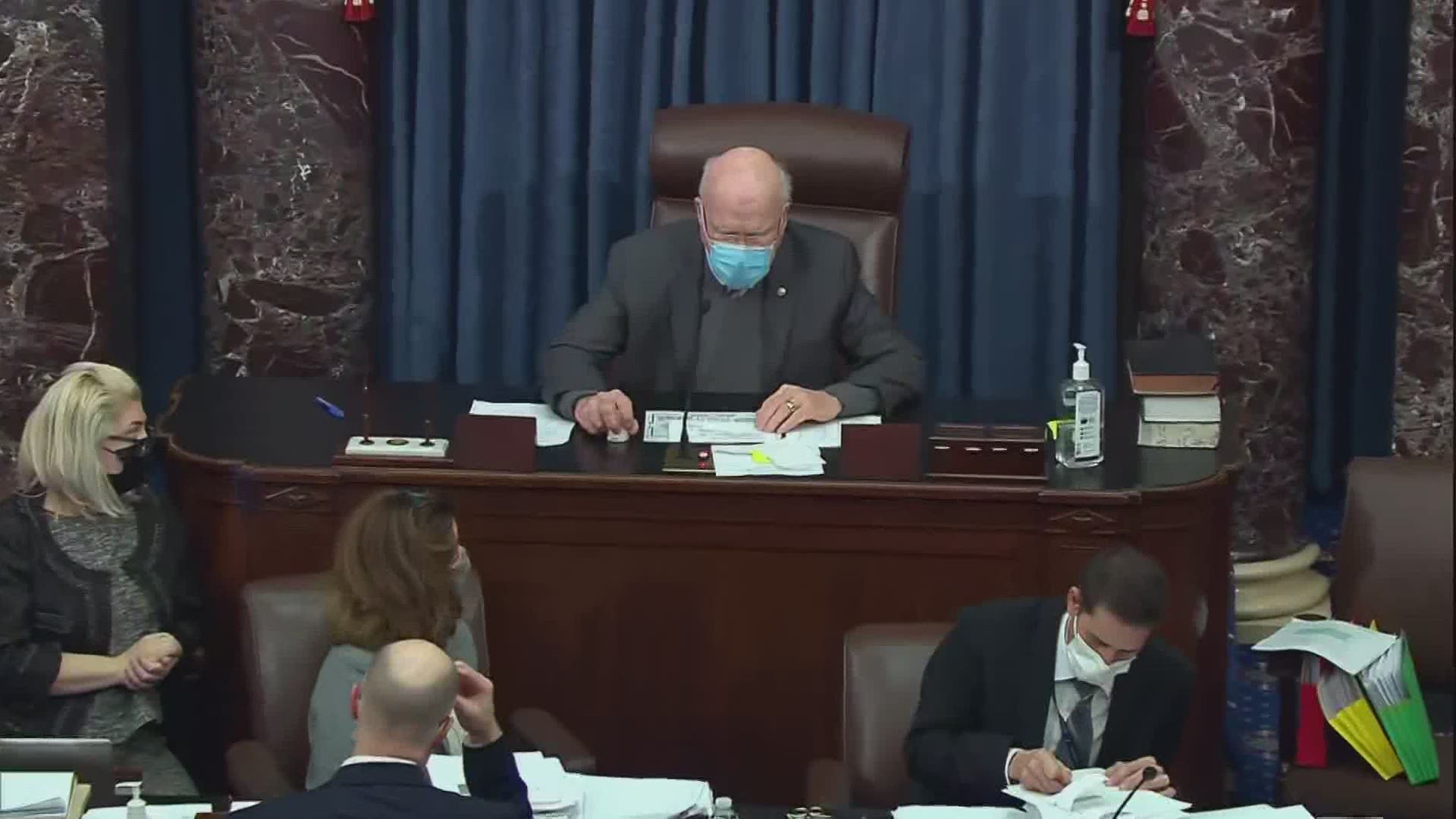
In the midst of escalating political tensions, the Senate has reconvened to deliberate on the Trump budget bill. As lawmakers return to work, the atmosphere in the Capitol is charged with anticipation and uncertainty.
Following a tumultuous period of negotiations and partisan standoffs, the Senate faces the daunting task of reaching a consensus on the budget bill that will shape the country’s fiscal policies for the coming year. The stakes are high, with competing priorities and ideologies colliding in a political landscape fraught with division.
Against this backdrop, senators on both sides of the aisle are gearing up for intense debates and deliberations. The outcome of these discussions will not only impact the government’s spending plans but also reflect the broader ideological differences that have polarized the nation.
Tensions Run High
The Senate’s return to work comes at a time of heightened tensions between the two major parties. With midterm elections looming on the horizon, every decision and vote carries significant weight and political implications.
Democrats and Republicans are deeply entrenched in their respective positions, with little room for compromise or bipartisanship. The budget bill, a critical piece of legislation, has become a battleground for competing visions of governance and fiscal responsibility.
Key Points of Contention
At the heart of the debate are key points of contention that have divided lawmakers along party lines. Issues such as healthcare, infrastructure spending, and taxation have emerged as flashpoints in the negotiations, with each side advocating for its own priorities and principles.
Democrats are pushing for increased funding for healthcare programs and social services, arguing that these investments are crucial for the well-being of the American people. They are also calling for higher taxes on the wealthy to fund these initiatives and reduce income inequality.
On the other hand, Republicans are advocating for a more fiscally conservative approach, emphasizing tax cuts and deregulation as the key drivers of economic growth. They argue that reducing government spending and lowering taxes will stimulate the economy and create jobs.
The Path Forward
As the Senate resumes its work on the Trump budget bill, the path forward remains uncertain. Both parties will need to navigate a complex political landscape and find common ground on contentious issues to pass the legislation.
Compromise and cooperation will be essential in reaching a consensus that addresses the needs and concerns of all Americans. The ability of lawmakers to set aside their differences and work towards a shared goal will ultimately determine the success of the budget bill and the future direction of the country.
In Conclusion
As the Senate dives back into the deliberations on the Trump budget bill, the political tensions and divisions that have defined recent debates are set to take center stage once again. The outcome of these discussions will not only shape the government’s fiscal policies but also reveal the underlying ideological fault lines that continue to divide the nation.
With the eyes of the American people fixed on Capitol Hill, lawmakers face a daunting challenge in finding common ground and forging a path forward that reflects the diverse interests and priorities of the country. The coming days and weeks are sure to be filled with drama, intrigue, and high-stakes negotiations as the Senate works towards a resolution on the budget bill.


