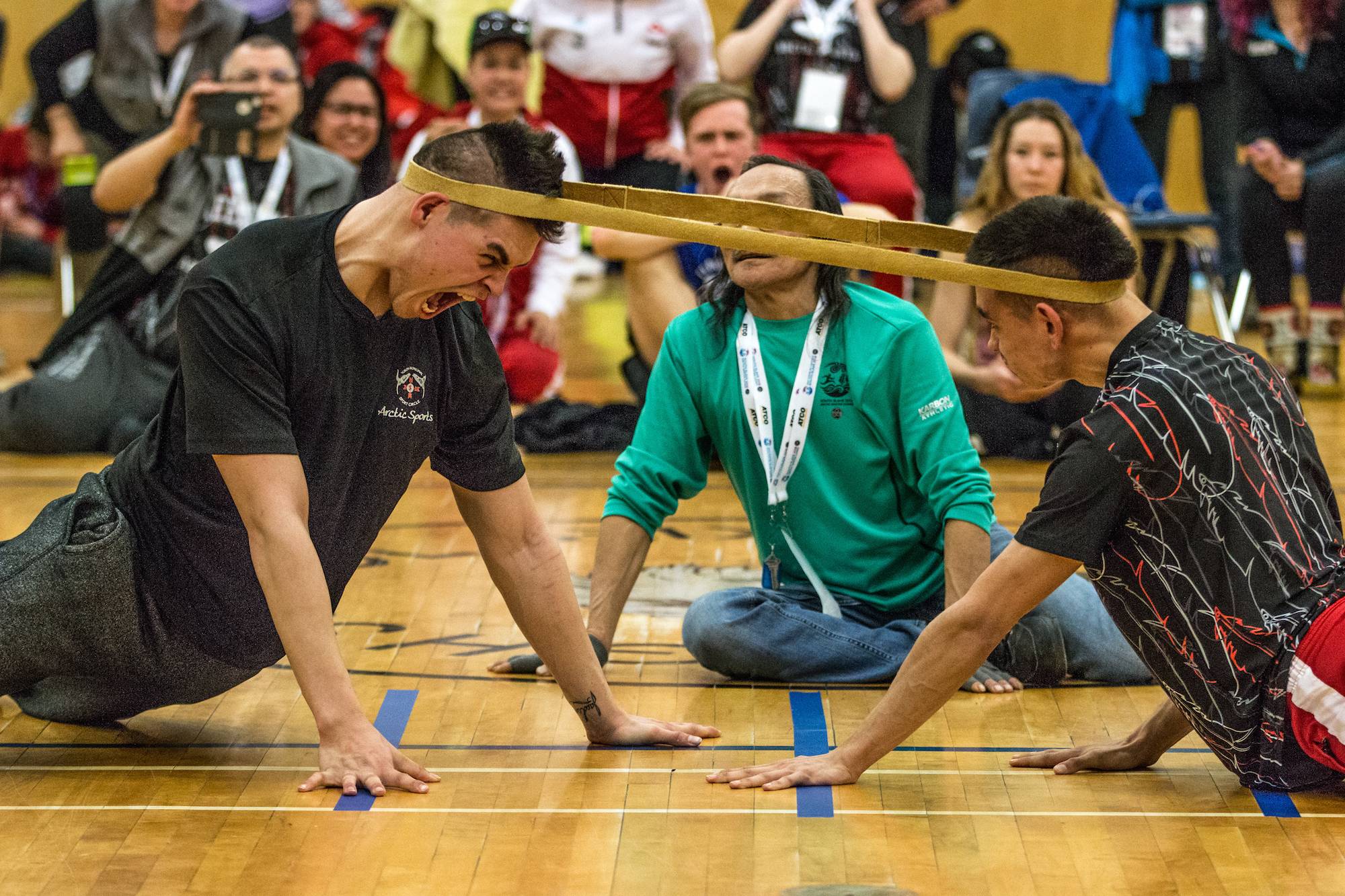
Traditional sports play a significant role in preserving cultural heritage and promoting community bonding. As a sports enthusiast, I have always been fascinated by the rich history and values embedded in traditional sports. These sports not only serve as a form of physical activity but also carry deep-rooted traditions, stories, and skills passed down through generations.
One of the key aspects of traditional sports is their ability to connect people with their cultural roots. In many communities around the world, traditional sports are more than just games; they are a way of life. For example, in Japan, Sumo wrestling is not just a sport but a sacred practice with rituals and ceremonies that date back centuries. By participating in traditional sports, individuals can feel a sense of belonging and pride in their cultural identity.
The Importance of Preserving Intangible Cultural Heritage
Intangible cultural heritage, such as traditional sports, plays a crucial role in shaping our identities and preserving our heritage for future generations. These intangible forms of heritage encompass traditions, rituals, performing arts, and social practices that are passed down orally or through demonstration. By safeguarding traditional sports as intangible cultural heritage, we are ensuring that our unique customs and values are not lost to modernization.
Community Building and Social Cohesion
Traditional sports have the power to bring people together and foster social cohesion within communities. When individuals engage in traditional sports, they are not just playing a game; they are participating in a shared cultural experience. These sports often involve teamwork, cooperation, and mutual respect, which are essential values for building strong and resilient communities.
Moreover, traditional sports provide a platform for intergenerational knowledge sharing. Elders pass down their wisdom and skills to the younger generation, ensuring that traditions are preserved and carried forward. This exchange of knowledge creates a sense of continuity and connection between different age groups within the community.
Challenges and Opportunities
While traditional sports hold immense cultural value, they also face challenges in the modern world. With the rise of digital entertainment and globalized sports, traditional sports risk being overshadowed and forgotten. It is essential for communities and governments to recognize the importance of preserving traditional sports and provide support for their continued practice.
One way to ensure the survival of traditional sports is through education and awareness programs. By educating the public about the cultural significance of these sports, we can generate interest and participation from younger generations. Additionally, incorporating traditional sports into school curriculums and community events can help promote their practice and appreciation.
Conclusion
In conclusion, traditional sports serve as a bridge between the past and the present, connecting us to our cultural heritage in a meaningful way. By preserving these sports as intangible cultural heritage, we are not only safeguarding our traditions but also promoting social cohesion and community bonding. It is crucial for us to recognize the value of traditional sports and work together to ensure their continued practice for generations to come.