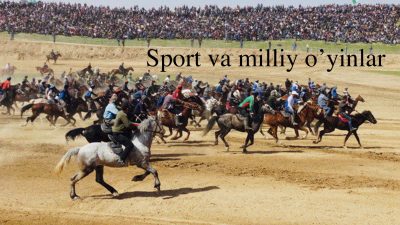
Traditional sports are more than just physical activities; they are a reflection of a community’s culture and heritage. As a sports enthusiast, I have always been fascinated by how these traditional sports serve as tools for cultural education, passing down values, rituals, and history from generation to generation.
One of the most captivating aspects of traditional sports is how they embody the spirit of unity and togetherness within a community. When I attended a local Kabaddi match in India, I was amazed by the camaraderie and sportsmanship displayed by the players. The game not only showcased physical strength but also highlighted the importance of teamwork and mutual respect.
The Role of Traditional Sports in Cultural Preservation
Traditional sports play a vital role in preserving cultural practices that might otherwise be forgotten over time. For example, the Maasai tribe in Kenya uses spear throwing as a way to commemorate their warrior traditions. By engaging in these traditional sports, the younger generation learns about their cultural heritage and gains a deeper appreciation for their ancestors’ way of life.
Learning Values Through Traditional Sports
Moreover, traditional sports are an effective medium for instilling important values in individuals. Take the Japanese martial art of Kendo, for instance. Practitioners not only learn the physical techniques of sword fighting but also cultivate discipline, respect, and humility. These values are essential not only in the context of sports but also in everyday life.
As a firm believer in the power of traditional sports as tools for cultural education, I encourage communities to continue practicing and promoting these age-old activities. By doing so, we can ensure that our rich cultural heritage is preserved and passed on to future generations.
The Global Impact of Traditional Sports
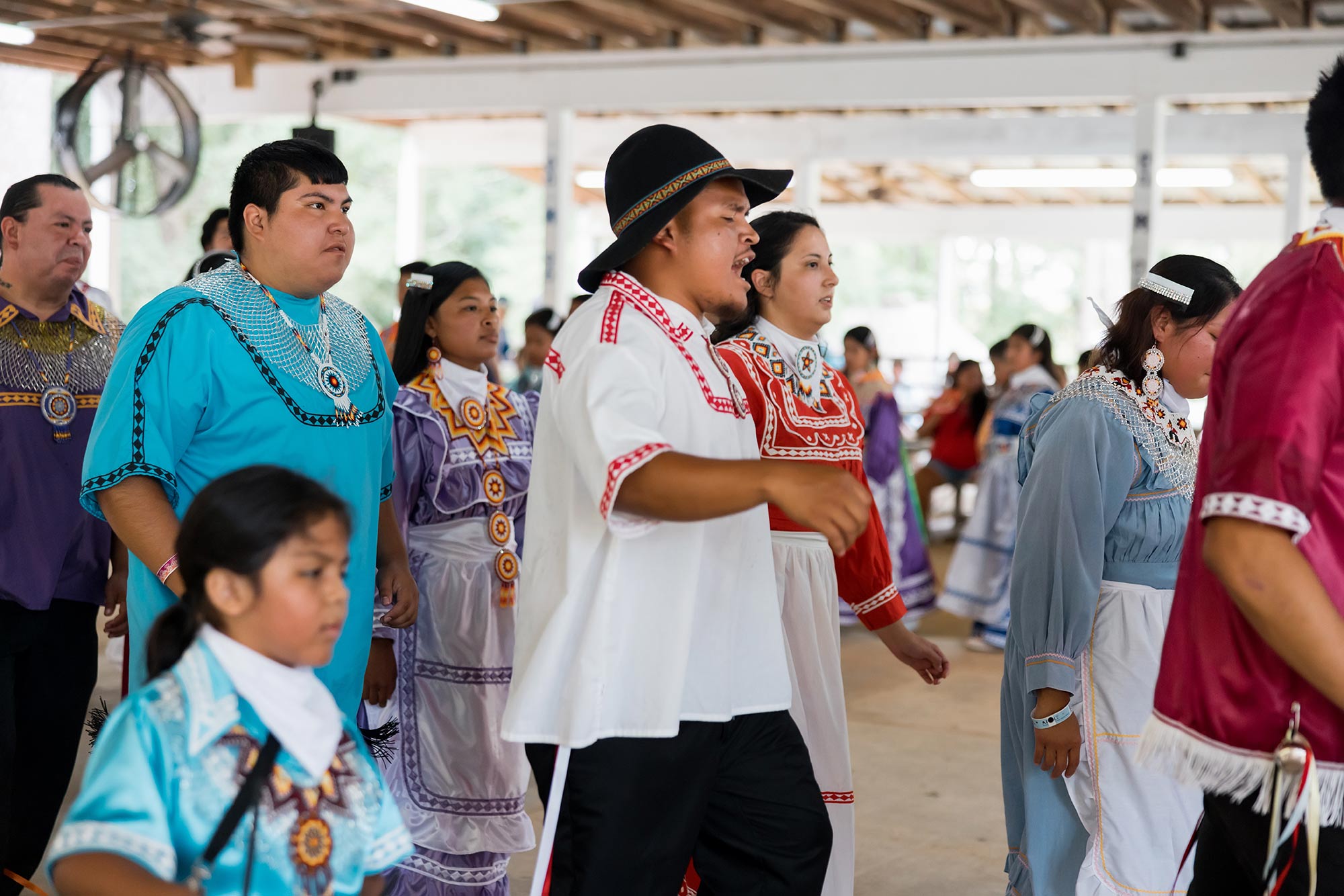
Traditional sports are not limited to a specific region or community; they have a global appeal that transcends boundaries. Events like the Highland Games in Scotland or the Native American powwows in the United States attract participants and spectators from all around the world, fostering cultural exchange and understanding.
Through my own experiences of participating in traditional sports events, I have gained a deeper understanding of different cultures and forged meaningful connections with people from diverse backgrounds. These interactions have enriched my life and broadened my perspective on the world.
Conclusion
In conclusion, traditional sports are more than just games; they are repositories of cultural knowledge and wisdom. As we strive to preserve and promote these ancient practices, we not only honor our past but also sow the seeds for a more interconnected and harmonious future. Let us embrace traditional sports as valuable tools for cultural education and celebrate the diversity they bring to our world.