Have you ever wondered how sports evolved from mere ritualistic activities to the recreational pastimes we enjoy today? Join me on a journey through time as we explore the fascinating transformation of tribal sports.
The Origins of Tribal Sports
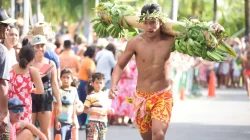
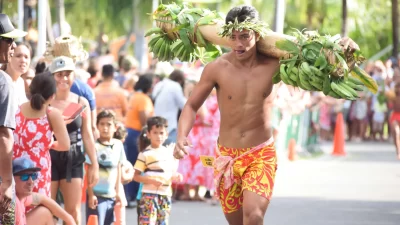
For ancient tribes, sports were not just about physical prowess but also held deep cultural and spiritual significance. These activities were often tied to rituals, ceremonies, and celebrations, symbolizing various aspects of tribal life such as hunting success, fertility, or honoring deities.
The Shift Towards Competition
As societies evolved, so did the nature of sports within tribes. What were once purely ceremonial events started to incorporate elements of competition, with individuals or teams vying for status, honor, or material rewards. This shift marked the beginning of sports as a form of recreation and entertainment.
The Influence of Colonization
With the arrival of colonizers and the spread of globalization, tribal sports underwent significant changes. Traditional games were adapted, modified, or replaced by sports introduced by outsiders. This cultural exchange not only enriched tribal sports but also led to the development of new and diverse sporting activities.
The Modern-Day Legacy
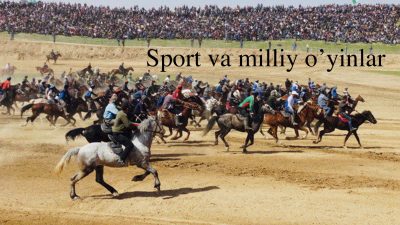
Today, many tribal sports have transcended their origins and become popular mainstream games enjoyed by people worldwide. From Maasai cricket to Sepak Takraw, these sports carry with them the rich history and traditions of their tribal roots, serving as a reminder of our shared human heritage.
The Future of Tribal Sports
As the world continues to globalize and cultures intermingle, tribal sports face both challenges and opportunities. While some traditional games risk being forgotten, the digital age has also provided a platform for these sports to reach a wider audience and gain newfound appreciation.
In Conclusion
The evolution of tribal sports from ritualistic practices to recreational pursuits reflects the ever-changing tapestry of human society. By understanding and preserving these cultural treasures, we not only honor our past but also ensure that future generations can continue to enjoy and appreciate the diverse world of sports.