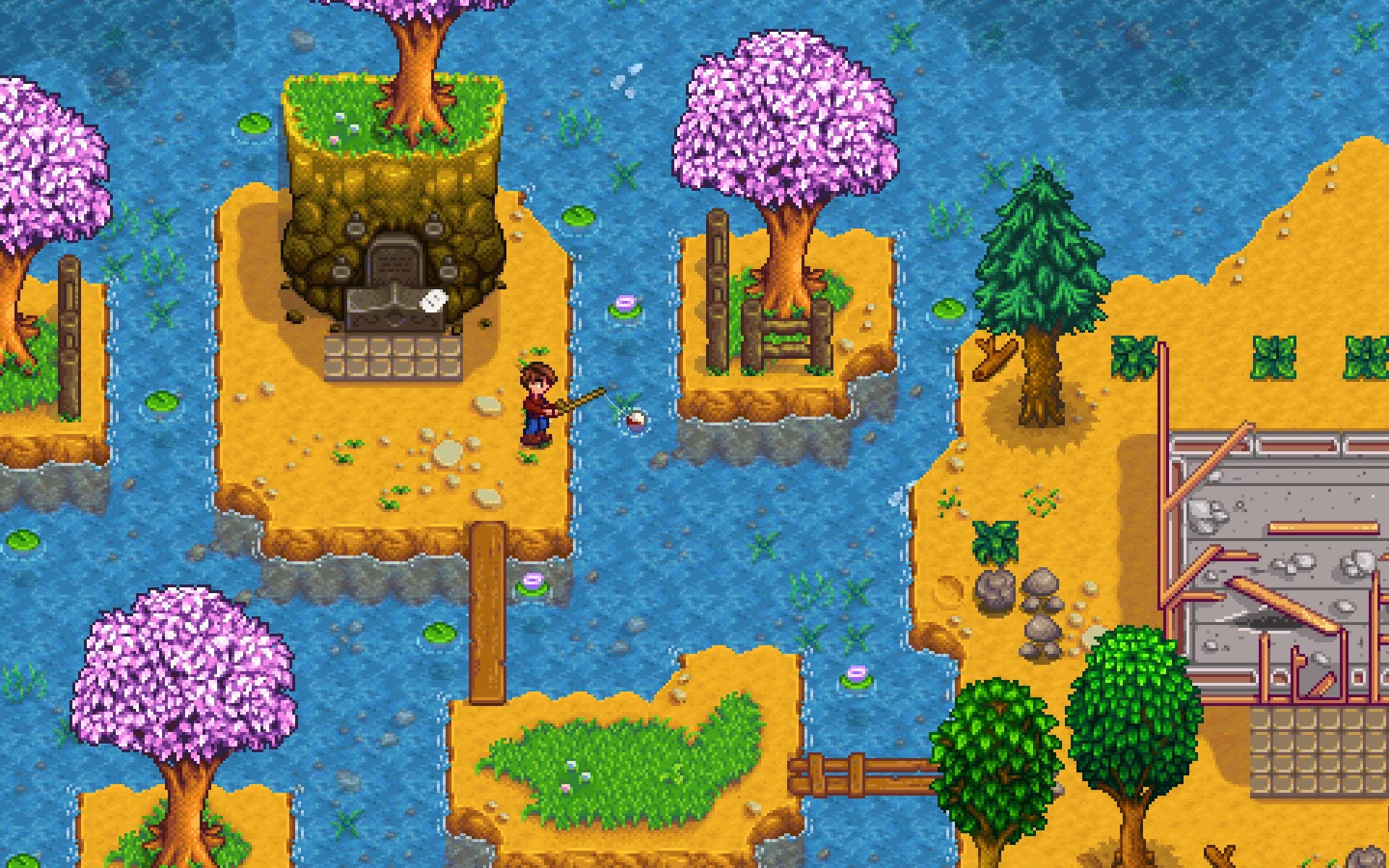
Have you ever noticed the lack of representation and diversity in video game worlds? As a player, you are transported to different realms, but often find the same stereotypes and limited perspectives repeated across various titles. This issue has been a topic of discussion in the gaming industry for years, highlighting the importance of creating inclusive and authentic gaming experiences for all players.
When you look at popular video games, you may notice a pattern of predominantly white, male protagonists leading the narratives. While there is nothing wrong with white male characters, the problem arises when they become the default representation in the gaming world, overshadowing the voices and experiences of other groups. This lack of diversity not only limits the storytelling possibilities but also alienates players who do not see themselves reflected in the games they play.
The Power of Representation
Representation in video games goes beyond just visuals. It is about telling diverse stories, showcasing different cultures, and offering varied perspectives. When you see characters that look like you, speak like you, or share similar experiences, it creates a sense of belonging and validation. It allows you to immerse yourself fully in the game world and form a deeper connection with the story being told.
Moreover, representation is essential for breaking stereotypes and challenging prejudices. By introducing a wide range of characters from different backgrounds, genders, and ethnicities, game developers can help combat harmful biases and promote empathy and understanding among players. It also opens up opportunities for marginalized groups to see themselves as heroes, adventurers, and leaders in the virtual worlds they explore.
The Call for Diversity
Over the years, there has been a growing call for diversity and inclusivity in video games. Players, developers, and critics have been advocating for more representation of women, people of color, LGBTQ+ individuals, and other underrepresented communities in gaming. This push for diversity has led to the creation of games that feature diverse casts, tackle important social issues, and offer unique storytelling experiences.
Game developers play a crucial role in shaping the future of gaming by embracing diversity and incorporating varied perspectives into their creations. By listening to the voices of different communities, actively seeking out diverse talent, and being open to feedback, developers can create games that resonate with a broader audience and leave a lasting impact on the industry.
The Road Ahead
As a player, you have the power to support games that prioritize representation and diversity. By choosing to play and promote titles that feature diverse characters and meaningful storytelling, you can help drive positive change in the gaming landscape. Additionally, engaging in discussions about representation, calling out harmful stereotypes, and advocating for inclusivity can contribute to a more welcoming and inclusive gaming community.
Ultimately, the journey towards better representation and diversity in video game worlds is ongoing. It requires a collective effort from players, developers, and industry leaders to create a gaming environment that celebrates differences, challenges norms, and embraces the richness of human experiences. By working together, we can build a future where every player feels seen, heard, and valued in the games they love.
Kesimpulan
In conclusion, representation and diversity are not just buzzwords in the gaming industry—they are essential pillars that shape the future of video games. By championing inclusivity, telling diverse stories, and amplifying underrepresented voices, we can create a more vibrant and inclusive gaming landscape for players of all backgrounds. So, the next time you pick up a controller, remember the power of representation and the impact it can have on shaping the virtual worlds we explore together.